Finding Lasting Relief From Chronic Jaw Pain And Tension

Temporomandibular joint disorders disrupt jaw movement, causing chronic facial pain, muscular tension, and articular deterioration. Applying advanced biomechanical principles, Dr. Jeff Thompson evaluates condylar position and bite force balance to design targeted therapies that restore jaw function and deliver lasting pain relief for patients in Bradenton.

Persistent jaw soreness or clicking or popping noises during chewing indicate underlying temporomandibular joint dysfunction, a condition affecting the jaw joint articulation—patients seeking care along the US-301 North route often present with facial muscle fatigue and chronic headaches. By addressing occlusal disharmony, where top and bottom teeth do not meet properly, our practice neutralizes unnatural joint stress and relieves strain across head and neck muscles.

Biomechanical Dynamics of Jaw Joint Stability

The jaw joint functions through a delicate relationship between the temporal bone, mandibular condyle, and a fibrocartilaginous articular disc. When malocclusion exerts irregular mechanical loads, this delicate disc displacement triggers inflammation, joint crepitus, and severe muscle spasms. Through condylar position stabilization, Dr. Jeff Thompson utilizes custom orthotic appliances and biomechanical forces to guide the mandible into centric relation. Realigning these structural components reduces capsular ligament inflammation, allowing soft tissue repair and restoring functional movement.

Evaluating Jaw Dysfunction vs. Healthy Joint Mechanics

Clinical Metric Impaired Joint Dynamics Corrected Biomechanical Function
Articular Disc Position Anteriorly displaced with joint clicking Centrally positioned over mandibular condyle
Masticatory Muscle Tension Continuous muscular spasm and facial soreness Relaxed muscular tone during speech and rest
Occlusal Contact Distribution Asymmetric contact points causing jaw tipping Balanced force distribution across all teeth
Range of Motion Restricted opening with painful deflection Smooth, unrestricted opening along midline

Key Steps in Corrective Joint Therapy

  • High-resolution digital imaging to evaluate joint condyle placement and surrounding bone structure.
  • Custom oral splint fabrication to relieve night bruxism and joint compression.
  • Precise bite realignment to balance contact forces across all teeth.
  • Non-invasive physical rehabilitation protocols designed to relax masticatory muscles.

Common Questions About TMJ

Daily jaw discomfort often leaves individuals uncertain about treatment options and recovery timelines. Residents across the Bradenton area frequently ask about non-surgical relief options, custom splint wear, and long-term stability. Clear clinical answers give patients confidence as they begin their path to comfort.

Can jaw joint pain be treated without invasive surgery?

Conservative, non-surgical therapies effectively resolve most jaw joint issues by re-establishing proper bite balance. Our clinic utilizes advanced splint appliances to relieve stress on painful joint structures. Gentle biomechanical adjustments allow natural healing of inflamed tissues without aggressive surgical procedures.

How long does it take to experience relief from jaw tension?

Initial symptom reduction often occurs within two to four weeks of wearing a custom splint device. Consistent appliance wear allows overworked facial muscles to relax and joint tissues to settle into natural alignment. Full structural stabilization proceeds over several months based on your individualized care plan.

What causes clicking or popping sounds when chewing?

Clicking sounds occur when the internal cartilage disc slips out of alignment during jaw movement. Modern orthotic devices stabilize condylar position to prevent disc slipping during chewing and speaking. Early evaluation can prevent further joint wear and preserve healthy cartilage function for years to come.

Schedule Your TMJ Consultation in Bradenton

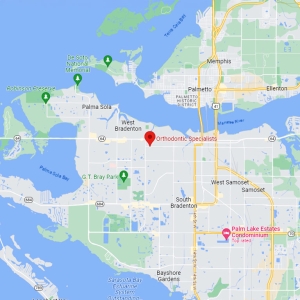
Relief from jaw pain and muscle tension is available through specialized joint care at our office. Located conveniently near 9th Ave W and SR-70, Orthodontic Specialists delivers non-invasive solutions tailored to your unique anatomical needs. Contact our experienced staff today to book your comprehensive evaluation and step into lasting comfort.

Alleviating Chronic Craniomandibular Discomfort

Persistent jaw pain, facial fatigue, and joint clicking signal underlying structural imbalances within the jaw joints. Specialized craniomandibular articulation care in Parrish establishes condylar positional stabilization, relieving muscular tension and protecting surrounding tissues from long-term strain under the guidance of a board-certified clinician.

Situated near the historic Parrish Post Office district along the US-301 North arterial route, our clinical practice regularly helps neighbors suffering from unexplained facial pain. Many residents endure daily headaches, neck tension, and jaw joint clicking without recognizing the dental origin of their symptoms. Discomfort often originates at the craniomandibular articulation, which is the complex hinge joint connecting the lower jawbone to the temporal skull base. When teeth do not mesh in harmony with this joint, surrounding facial muscles remain in a perpetual state of strain. Achieving condylar positional stabilization, a targeted realignment process that anchors the joint head in its stress-free anatomical socket, relieves chronic muscular strain across the head and neck.

Neuromuscular Harmony and Joint Dynamics

The temporomandibular joint functions as one of the most complex mechanical systems in human anatomy. Misalignment between dental occlusion and joint anatomy forces jaw muscles to compensate constantly during chewing and speech. This constant muscular contraction leads to localized inflammation, cartilage wear, and tension headaches. Through precise diagnostic mapping, our clinicians evaluate joint spaces and muscle engagement patterns. Stabilizing the condyle within its ideal anatomical position relieves abnormal strain on surrounding ligaments. Establishing harmonious bite mechanics halts progressive joint degradation while restoring fluid, pain-free jaw movement.

Joint Displacement vs. Stabilized Occlusion

Clinical Metric Malaligned Joint Profile Stabilized Condylar Profile
Condylar Position Displaced anteriorly or posteriorly Centered in glenoid fossa
Muscle Engagement Chronic spasm and fatigue Relaxed neuromuscular balance
Joint Acoustic Signs Clicking, popping, or crepitus Smooth, silent articulation
Facial Pain Index Moderate to severe recurring pain Substantial pain reduction

Key Takeaways for TMD Relief

  • Elimination of recurring jaw popping, clicking, and joint locking.
  • Relief from chronic tension headaches originating in facial muscles.
  • Restoration of smooth, unrestricted chewing and speaking capabilities.
  • Protection against abnormal enamel wear caused by nighttime clenching.
  • Long-term stabilization of the temporomandibular joint architecture.

Common Questions About TMD Treatment

Living with chronic jaw discomfort can significantly diminish daily vitality and peace of mind. Finding long-term relief requires a clear medical understanding of how your joint and bite interact. Here are transparent answers to common inquiries regarding TMD therapy in Parrish.

What causes sudden jaw joint pain?

Jaw joint pain often develops from accumulated bite stress, physical trauma, or habitual teeth grinding. Our clinical team identifies the exact structural triggers responsible for your joint strain. You can rest assured that non-invasive therapies provide rapid relief for acute symptoms.

Is TMD treatment always surgical?

Surgical intervention is rarely needed because most jaw joint issues respond well to non-surgical orthopolymeric splints and bite adjustments. Customized therapeutic appliances gently reposition your jaw into a relaxed alignment. Clinical outcome data shows that conservative biomechanical therapy delivers lasting comfort.

How long until I feel relief from jaw discomfort?

Initial relief from muscular soreness often begins within two to four weeks of starting targeted therapy. Every treatment plan progresses systematically to match your body’s natural healing timeline. Continuous monitoring ensures your joint stays on a healthy path toward complete stabilization.

Schedule Your TMD Therapy Consultation in Parrish

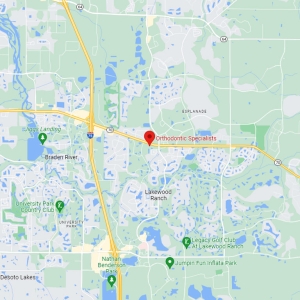
Seeking expert TMD therapy in Parrish is the first step toward living free from facial pain. Conveniently accessible to residents along the US-301 corridor, our practice combines clinical authority with genuine patient care. Contact Orthodontic Specialists today to schedule your comprehensive joint evaluation.

Relieving Joint Strain: Targeted Clinical Approaches for Managing TMD

Effectively managing chronic jaw pain and clicking requires an advanced structural approach to treating TMD in Bradenton, FL. At Orthodontic Specialists in Bradenton, FL, our clinical team uses state-of-the-art diagnostic imaging to identify the root causes of jaw joint dysfunction rather than simply masking your pain. Our customized care plans are designed to restore proper neuromuscular balance and protect long-term joint health.

Living with constant jaw tightness, facial pain, or an inability to chew comfortably can cause a significant lifestyle disruption and deep physical exhaustion. Many individuals endure years of clicking joints and severe headaches because they experience clinical anxiety regarding invasive treatments or permanent dental changes.

It is also completely natural to feel overwhelmed by the potential financial commitments of specialized orthopedic care. Patients often worry about unexpected fees or whether their insurance will cover diagnostic joint therapies.

We at our practice believe you should never have to compromise on your comfort or peace of mind. Our team is dedicated to listening to your story, validating your frustration, and building a transparent treatment path that aligns with your household budget.

Joint Characteristic Muscular TMJ Dysfunction Internal Disc Derangement Orthodontic Specialists
Primary Symptom Broad muscle tenderness and trigger point tension Localized joint clicking, popping, or sudden locking
Underlying Cause Stress, clenching, or chronic muscular fatigue Structural displacement of the condyle-disc assembly
Diagnostic Target Overworked masticatory muscles and bite imbalances Physical wear or misalignment within the glenoid fossa

The Biomechanics of the Condyle-Disc Assembly and Neuromuscular Balance

The temporomandibular joint is one of the most complex structures in the human body, relying on a delicate condyle-disc assembly to facilitate smooth opening and closing movements. When your teeth do not fit together perfectly, the masticatory muscles must work extra hard to compensate for the imbalance. This continuous strain forces the protective articular disc out of its natural position within the glenoid fossa, causing friction, joint wear, and inflammation.

Our targeted orthopedic protocols help patients throughout Bradenton achieve lasting structural relief by restoring proper skeletal alignment. We use 3D Cone Beam Computed Tomography (CBCT) imaging to evaluate the exact spacing of your jaw joints in three dimensions. By analyzing these detailed bone relationships, Dr. Jeff Thompson can design specialized oral appliances that unload the strained joint structures and allow your facial muscles to relax, alleviating severe craniofacial malocclusion.

Frequently Asked Questions About TMD Therapy

How much does professional TMD treatment cost, and what are our payment options?

The overall cost of therapy depends heavily on whether your joint issue requires a simple stabilizing appliance or comprehensive orthodontic bite reconstruction. We provide a complete financial overview during your initial diagnostic visit so you can plan for care without worrying about hidden costs. Our office offers flexible monthly financing options and works closely with your insurance plan to maximize your available benefits.

Will wearing a corrective jaw appliance cause significant pain or physical discomfort? A: Custom joint orthotics are specifically designed to reduce discomfort by gently moving your jaw into a relaxed, natural resting position. You might experience a brief adjustment period as your facial muscles adapt to the corrected alignment pathways. Most patients report a noticeable decrease in their chronic headaches and joint tension within just a few weeks of consistent use.

How long will I need to undergo treatment before my jaw function returns to normal?

A typical joint stabilization phase lasts between three and six months, though complex structural realignments may take longer to stabilize completely. Our objective is to guide your jaw structure out of the acute injury cycle before determining if long-term bite adjustments are necessary. We monitor your progress at every stage to ensure your recovery is smooth, predictable, and highly effective.

Take the First Step Toward Lasting Jaw Relief

Taking care of your jaw joints is vital to protecting your long-term health, facial harmony, and daily comfort. If you are tired of dealing with constant joint strain or painful clicking, our dedicated clinical team is ready to help you find definitive answers. Arrange a dedicated clinical evaluation of your temporomandibular joint at our modern Bradenton practice today to reclaim your quality of life.

Resolving Craniofacial Malocclusion: The Biomechanical Relationship Between Dental Alignment and Temporomandibular Joint Stress 

Improper dental alignment exerts destructive mechanical forces on the delicate structures of the jaw joint during chewing. Realigning the teeth redistributes this structural loading pattern across the facial bones. This advanced orthopedic correction minimizes joint strain while providing long-term relief from chronic neuromuscular facial pain.

Did you know that a misaligned bite can trigger chronic headaches and jaw clicking? Many individuals live with ongoing facial tension without realizing that craniofacial malocclusion, which denotes a serious misalignment between the skeletal components of the jaw and teeth, is the direct culprit. When upper and lower teeth do not fit together smoothly, the muscles must work extra hard to stabilize the jaw. This continuous strain stresses the condyle-disc assembly, which refers to the structural ball-and-cushion mechanism connecting your lower jaw to your skull. Over time, this mechanical imbalance alters your chewing habits and irritates surrounding nerve pathways. Advanced diagnostic tracking helps our clinical team locate these precise alignment errors before they cause permanent wear.

Patients frequently observe that simple daily activities like chewing or speaking become completely effortless once their bite pressure is perfectly balanced. This structural correction provides immediate comfort that transforms their daily quality of life.

Deep Anatomical Load Balancing and Joint Stabilization

Long-term joint health depends on the equal distribution of force across your entire dental arch. If individual teeth contact each other prematurely, the lower jaw forces itself out of its natural resting position. This chronic dislocation alters the biological harmony within the joint space, leading to tmd bradenton fl residents frequently experience. Unbalanced biting forces cause the protective cartilage cushion to slip out of place. Consequently, the jaw bone rubs against sensitive nerves and connective tissues. Mitigating this degradation requires precise orthodontic tooth movement to establish a harmonious resting position for the jaw. Resolving these structural discrepancies alleviates muscular compensation and protects the underlying bone from degenerative changes.

Comparative Analysis of Joint Loading States

Joint Condition Biomechanical Mechanism Long-Term Articular Impact
Balanced Occlusion Uniform distribution of chewing forces across all teeth Preserves the integrity of the cartilage disc
Malocclusion Discrepancy Premature tooth contact is causing jaw displacement Accelerates wear on the condyle-disc assembly
Chronic Joint Strain Continuous muscular compensation during chewing Triggers local inflammation and jaw clicking

Primary Clinical Signals of Temporomandibular Joint Distress

  • Frequent clicking or popping sounds during jaw movement point to internal disc displacement.
  • Persistent discomfort in the temples or neck often signals severe muscle exhaustion.
  • A limited range of motion when opening the mouth indicates significant joint inflammation.
  • Uneven wear patterns on the chewing surfaces of teeth reflect improper load distribution.

Common Questions About TMD

Why does my jaw make a clicking sound when I chew?

Clicking typically happens when the protective cartilage disc slips out of its proper position. We know this sound can be unsettling, but our team is here to help you find the underlying cause and guide you back to comfortable jaw movement. Managing TMJ discomfort inBradenton, FL, begins with identifying these small mechanical shifts early.

Can orthodontic braces or aligners fix my chronic jaw pain?

Correcting a misaligned bite can substantially reduce the physical strain on your jaw muscles and joints. It is incredibly exhausting to live with daily facial pain, and we are completely committed to finding a lasting solution that brings you relief. Families looking for TMD care in Parrish, FL, can find tailored orthopedic options right here in our community.

How do I confirm if my headaches are related to my teeth?

Headaches localized around the temples are frequently caused by nighttime teeth grinding and muscle fatigue. Sorting out the source of your pain can feel overwhelming, but we will walk through every step of the diagnostic process together to give you answers.

Schedule Your TMD Consultation in Bradenton

Finding lasting relief from chronic jaw tension requires a comprehensive evaluation of your unique bite mechanics. Our dedicated clinical team uses advanced imaging technology to map out a precise treatment plan tailored to your health goals. Please contact our Bradenton office today to schedule your specialized structural assessment. Your path toward a pain-free smile and comfortable chewing is just a phone call away.

 The Overlooked Link Between Jaw Pain and Sleep Disordered Breathing

Jaw pain and morning headaches often point to more than stress. At my clinic, I regularly evaluate patients with jaw discomfort linked to disrupted breathing during sleep. Studies by the National Institutes of Health show a strong relationship between TMJ disorders and conditions such as sleep apnea in Bradenton, FL, making a combined jaw and airway evaluation a must.

What Is TMJ-TMD?

TMJ-TMD refers to disorders affecting the jaw joint and surrounding muscles. Symptoms often include jaw clicking, facial soreness, headaches, and limited jaw movement. These issues can worsen when the jaw works harder to maintain airflow.

How Airway Issues Affect the Jaw

When breathing becomes restricted during sleep, the body sometimes shifts the jaw forward to protect the airway. This position increases strain on the TMJ and supporting muscles. The National Institutes of Health studies we mentioned above show higher rates of TMJ symptoms among patients with sleep-disordered breathing.

Why Sleep Breathing Is So Important

Obstructive sleep apnea affects a significant portion of U.S. adults and increases nighttime muscle activity. This strain contributes to jaw pain and inflammation.

Signs You Should Be Evaluated

You would likely benefit from a visit to your orthodontist in Bradenton, FL, for an orthodontic evaluation if you experience any of the following.

Treatment Options an Orthodontist Might Recommend

Treatment depends on how the jaw, bite, and airway work together. During an orthodontic evaluation, I assess jaw position, bite alignment, and signs of nighttime strain. Based on those findings, I might recommend the following.

  • Oral appliance therapy to support your jaw position during sleep.
  • Orthodontic care to improve your bite balance.
  • Coordination with a sleep physician or ENT for further testing.

This team-based approach helps reduce jaw stress while supporting healthier breathing patterns.

Are You Looking for a Reputable Orthodontist in Bradenton, FL?

If jaw pain and poor sleep are affecting your daily life, please Contact Orthodontic Specialists today to schedule a comprehensive orthodontic evaluation. Orthodontic screening can help identify jaw alignment and airway concerns early.

Disclaimer: This content is for educational purposes only and does not replace professional diagnosis or treatment.

What Can Cause You to Develop TMJ or TMD?

Are you waking up with a sore jaw or other signs that there’s a problem with your temporomandibular joint (TMJ)? Disorders of the jaw joint or TMD can make your everyday life uncomfortable, with frequent headaches and ongoing soreness. But our orthodontist in Bradenton and Parrish, FL, at Orthodontic Specialists offers treatment for these disorders. Any of the following can cause these conditions.

Chronic Stress

Did you know that ongoing stress can lead to TMD? Being stressed strains your jaw muscles and may cause you to clench or grind your teeth together, triggering soreness and other symptoms.

Jaw Alignment Problems

Do you have a problem with the way your teeth line up or fit together? These misalignments or malocclusion can contribute to the development of TMJ problems or TMD, including toothaches and facial pain.

Jaw Injuries

Have you had any jaw trauma? Fracturing or dislocating your jaw, for example, may cause issues with your jaw joint, causing you to seek treatment for TMJ and TMD in Parrish and Bradenton, FL.

Arthritis

Do you have this inflammatory disease? Arthritis can affect one or both of your jaw joints, resulting in stiffness, aches and pains, and other TMD symptoms.

Factors That Make TMD Worse

No matter what causes TMD, you might make this condition worse if you tend to do certain things. Grinding your teeth or chewing on items like pens can strain your jaw muscles and soft tissue structures.

Visit Us for TMJ/TMD Treatment!

Do you struggle with symptoms of these jaw disorders? We can help! At Orthodontic Specialists, we offer treatment for TMJ and TMD in Bradenton and Parrish, FL, to relieve symptoms and improve your comfort.

What Are Common Signs of TMJ-TMD?

Do you have frequent migraines and jaw pain? These could be symptoms of a problem with one or both of your temporomandibular joints (TMJ) — or jaw joints. Our orthodontist in Bradenton and Parrish, FL, at Orthodontic Specialists offers treatment to help you manage temporomandibular joint disorder (TMD) if you have possible signs of this condition.

Aches and Pains in Your Jaw

TMD mainly affects the jaw, causing soreness that can range from slight to severe. You might have pain on one side or both sides, depending on which joints are affected.

Pain in Other Areas

Discomfort from TMD can reach other areas of your body. You might develop pain in parts of your face, neck, or ears. You can also have toothaches that occur due to TMD.

Migraines or Headaches

Are you getting headaches or migraines more often than usual? This can be a sign of TMD, especially if you have TMD from grinding your teeth.

Sounds When Opening Your Mouth

Does your jaw make a clicking noise or other sounds when you move it? TMD can cause your mouth to make these noises when you open and close it.

Stiff Jaw

Is it hard or uncomfortable to fully open and close your mouth? TMD may cause stiffness in your jaw that leads to this discomfort.

Increased Tooth Sensitivity

Do your teeth hurt when exposed to cold or heat? TMD from teeth grinding can cause greater sensitivity due to tooth damage.

Schedule a Visit Today for TMD Treatment!

Are you looking for help managing TMD pain and other symptoms? Our orthodontic team at Orthodontic Specialists provides effective TMJ-TMD treatment in Bradenton and Parrish, FL. Our services can help alleviate discomfort!